What kinds of businesses are restricted with Square, PayPal (Zettle) and SumUp?
Not everyone is approved by Square, SumUp or PayPal (Zettle). What are the restricted businesses, and why is it harder to get approval for them?


Not everyone is approved by Square, SumUp or PayPal (Zettle). What are the restricted businesses, and why is it harder to get approval for them?
Card payment settlement can take days. How can a business access funds instantly or the next day? We look at options for payouts and direct access.
How does softPOS work? What is the definition of it? We explain the term, technology and issues around 'Tap to Pay'.
What are the definition and types of recurring payments? Direct Debit or Credit, standing orders and CPA - what are they used for?
Getting accepted on the Direct Debit scheme as a small business is not too complicated with these steps. Here's how to set up and manage it.
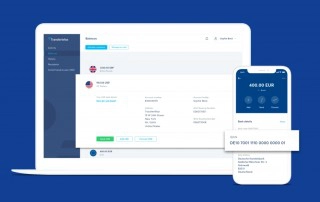
TransferWise is a cheap foreign money transfer service with transparent fees. How much does it cost compared to alternatives?
Which contactless digital wallets can be tapped on a card terminal in the UK - and which should merchants accept? Find out how they differ.
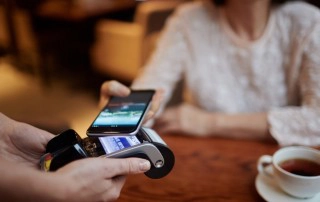
What are all the different types of mobile payments used today? Our complete guide explains how, and where, each present-day mobile payment type works.
What's the meaning of contactless payment? We look at the definition, technology, options and how they work for all parties.
Learn about the meaning and purpose of NFC. How does it function during a contactless payment? Here are the ins and outs of the technology.
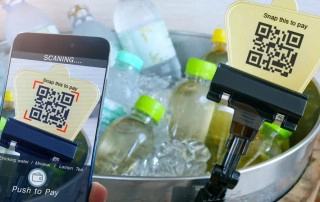
How do QR codes work for payments? We define and explain QR code payments and discuss how merchants can accept it. Can it compete today?

What are the card payment solutions available for small businesses? We list and explain in-person, online and remote card payments.
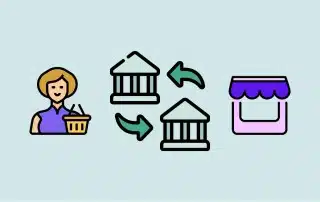
Account-to-account (A2A) payments are a cardless way to transfer money quickly, but what is it? How does it work for payers and merchants?
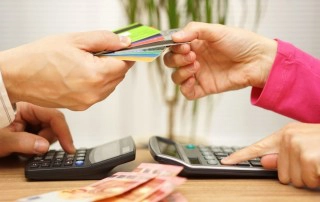
How does the interchange++ pricing model work? We break down the costs to a simple formula used globally by payment providers.

We explain the card processing cycle and list the acquirers, ISOs and aggregators that face-to-face businesses in the UK can pick from.
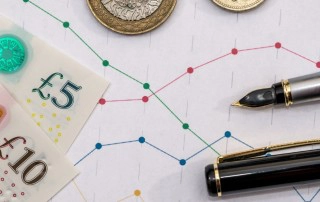
Cash businesses lose money directly and indirectly by avoiding cards. What are the costs of accepting cash, and how does it compare with cards?
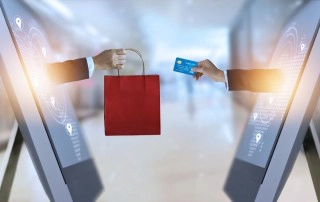
How can merchants accept card payments while avoiding physical touch? We list remote payments and contactless methods with a card machine.
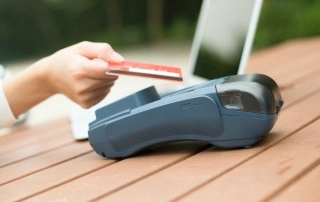
With no network connectivity like 3G, and no WiFi or internet, how do you take card payments? We give you the options - with or without a card machine.
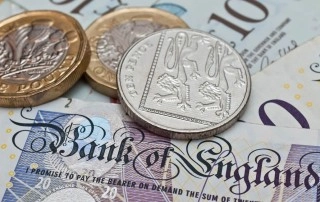
What's the meaning of legal tender? We define the term, list the legal tenders in the UK and explain the rules for businesses and consumers.
Are businesses allowed to add a surcharge on card transactions? What does the UK law say? See the rules and exceptions that merchants should follow.

Charities have become important users of SMS payments, both to raise money and to give direct help. What are real-life examples of this?
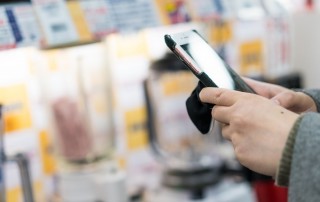
Read about how text (SMS) payments work and the types of transactions they can be used for.
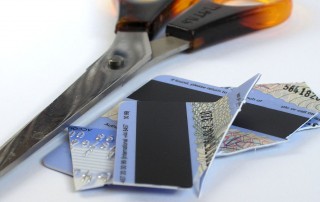
Millions of credit cards are in circulation, many of which are expiring every month. Instead of throwing them out, what other things could you do?
SMS payments had negative publicity in the press in the early years due to some unscrupulous behaviour, although this is not the case anymore.
Receiving nuisance premium SMS messages? Here's the general step-by-step instructions for blocking premium text messages you're receiving by mistake.
How can a business accept Alipay and WeChat Pay in the UK? Here's how the mobile wallets work, where to get it and how to set it up as a merchant.
If you're a business owner who wants to accept Bitcoin, here are some things you should know first. And what are the ways you can accept it?
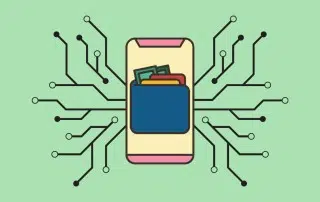
What are examples of digital money? What does it even mean? We explain the types and how digital payments work and differ from physical money.

What is a pre-authorisation on a debit or credit card? Here's how it works, what it's for and how you can get the feature.

When chargebacks happen, it can cost merchants fees and time spent on extra admin. Here's how to spare your business the hassle of a chargeback.
What is a chargeback? How does it work for merchants and consumers? Learn about the meaning and process of debit and credit card chargebacks.
One-stop solutions for all your payment needs are increasingly common, but what does an all-in-one payment platform entail? How does it work?
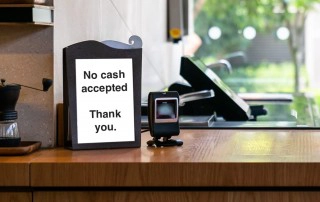
More and more small businesses only accept cards, but is it wise to not accept cash? We list upsides and downsides to card-only.
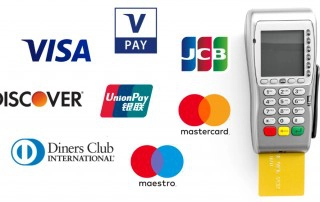
Card brands are aplenty - so which debit and credit cards should you accept? We discuss Visa, Amex, JCB and all others to consider for a terminal.
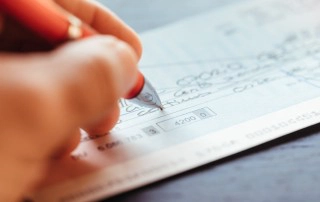
Do you have to accept cheques as a business? Is it illegal to refuse them? We look at pros and cons of this traditional payment method.
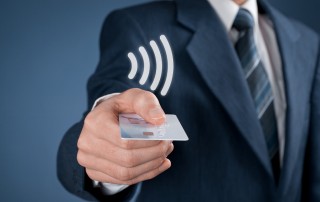
There are now many ways to accept contactless payments with a smartphone. We explain the different mobile contactless solutions in the UK.
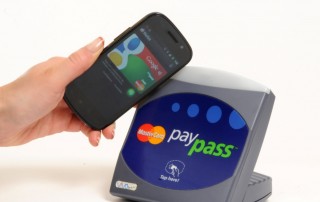
When Google Wallet launched, it was marketed as the solution that would bring together the mobile phone and the wallet. How is that working out?
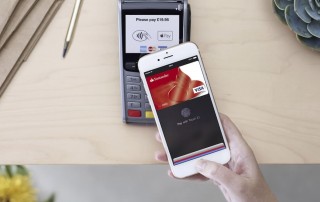
Which payment providers accept Apple Pay in the UK? How do you know if you're already accepting it? We also look at transaction limits and refunds.
We explore why some small businesses were previously wary of using card terminals, and how the market conditions have evolved for the better.
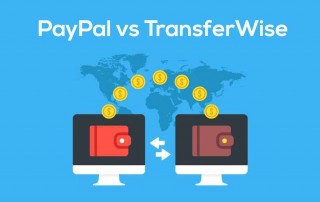
Is PayPal or TransferWise best for foreign bank transfers? We compare fees to see which is cheapest and the best value.
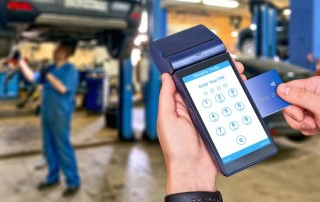
How does PIN on glass work? We explain the PIN entry process compared with PIN on commercial off-the-shelf (COTS) devices.
Do all businesses need a merchant account? What is it anyway? We explain the merchant account definition clearly - and a few alternatives to it.
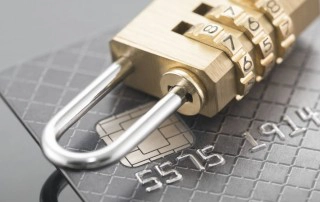
Payment gateways encrypt, forward and authorise card payments online, but how do they work?
Should you accept Amex in your business? Let's consider reasons for and against it and how merchants can start accepting this global credit card.
SMS payments are incredibly secure. This is the main point you need to emphasise to your customers, to reassure them that any SMS payment transaction will be safe for them. When you come to ask for payments via SMS remind them that because the customer doesn't need to enter in [...]
Being able to transfer money directly from one mobile phone to another is the attraction of person to person SMS payments, particularly in countries such as India and Kenya where most people don't have access to banks, or in other countries such as Japan, to enable foreign workers to send [...]
Micropayments are financial transactions that involve a very small sum of money. PayPal defines a micropayment as anything less than USD 12, whereas Visa classifies anything less than USD 20 as a micropayment. Traditionally it has been difficult, financially, to recoup the costs involved in processing micropayments. With SMS billing, [...]
SMS payment means using text messages to pay for products or services. Mobile phone users can send text messages to a predefined number with a certain text. The mobile phone carrier will then add the cost to the user's normal monthly bill or deduct it from the prepaid balance. [...]

An SMS gateway is a facility to allow the sending and receiving of SMS messages. SMS gateways are maintained and operated by mobile phone operators. An SMS payment gateway is a piece of code, an application, installed onto a web page by a SMS payment provider to enable businesses to [...]

SMS payments can work for large and small companies alike, as well as charities. Find out how you can use SMS payments and if there are any advantages.
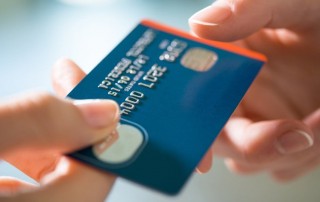
How do interchange fees work? Who sets the rates? We explain how it works, and what it means to have blended and unblended card payment rates.
There can hardly be anyone in the UK who doesn't use a Chip and PIN machine on a regular basis. Any time you pop into your nearest shop and pay with a credit or debit card by giving your PIN code (personal identification number) to authorise the transaction you [...]